An innovative pilot residency celebrating art, ecology, and Indigenous cultural revitalization
Meet our AiR Artists
In partnership with the Southern Sierra Miwuk Nation, Sierra Foothill Conservancy and Mariposa County, we are thrilled to announce the 2026 Mariposa Creek Parkway AiR program recipients. Beginning this March each artist will have a multi-week residency along the Mariposa Creek Parkway, in which they will explore and further their creative practices in each their own way.
Application and Selection Process
At the conclusion of the December 2025 application period, a panel of community members adjudicated the applicant pool based on a rubric of criteria, such as artistic merit, alignment with program goals, community engagement proposals, feasibility, etc. Special consideration was given to artists who bring new perspectives, reflect lived experience connected to ecological, cultural, or rural issues, and have a demonstrated interest in long-term, place-based engagement.
Local Artists

Bootjack Clay Shack
The Bootjack Clay Shack is a collective pottery studio rooted in Mariposa, California, and serves our community teaching clay building skills, and as a creative ceramics art space. The owner and lead instructor Karen Mentzer, is a self-taught potter and hand builder, offering classes, workshops, and open studio time.
Photo back row – Karen Mentzer, Judy Dorfner, Tracie Miller. Front row – Troian Cummings, Ann Hart
The Bootjack Clay Shack is building a life-sized ceramic sculpture of our native beaver. the harbinger of waterway health, for installation along the Mariposa Creek Parkway. The Clayshack members will also be hosting a sculpture class making other native creek animals, for people of all skill levels to participate in and take home after the pieces are fired.

Anna Friedland
Anna Friedland is a Mariposa-based artist specializing in illustration and graphic design. Her art process begins on walks, where she closely studies Sierra Foothill flora and fauna. She seeks to create beautiful visual art and design that educates, clearly communicates, and makes the world a better place.
During the first week of my residency, Anna will lead seven, one-hour creek art walks with seven different groups of our local community. This week will be all about community engagement, sharing creek education, and photographing participants’ natural treasures/delights. During the second week, Anna will draw participants’ treasures from the creek and compose all of these items into one piece of art – a bandana.
Visiting Artists

Mariah-Rose Marie
Mariah-Rose Marie is the author, artist and educator behind COOK LIKE YOUR ANCESTORS, A Quick & Easy Guide to Healthy Relationships, and dozens of illustrations and comics about food, queer life, ecology, and transnational solidarity appearing in publications such as The Nib, EATER, The New Yorker, Science for the People Magazine, and more. When not drawing, they can be found tending to urban gardens or cooking with a concerning amount of chilies.
Photo credit: Pea Nùñez
Mariah-Rose is excited to connect with the land and local community through their project, “Planting the Seeds for Comics.” This project will document the behind-the-scenes process of creating a sequential graphic novel about the ties between native plants, invasive plants, and the necessity of fire in the California landscape, culminating in a community plant identification walk and zine workshop.

Stephanie Troyan
Stephanie Troyan is an interdisciplinary artist who works with collage, mixed media, and journaling methods to explore place as a living system shaped by ecology, memory, and human experience. With a background in landscape architecture, public art, and placemaking, her practice focuses on listening to land, people, and the subtle stories that connect them. She uses layered imagery, mapping, sketching, and elements of mindfulness to create visual artworks that invite reflection, deeper noticing, and meaningful connection with land, water, and community.
During the residency, Stephanie will facilitate site-specific activities that combine observation and sensory awareness. Through guided walks and workshops along the parkway, participants will learn nature journaling and phenology wheel techniques, and develop creative practices of noticing and connection that can be continued throughout the year. Separately, she will create a collage-based composition of collective stories, patterns, and reflections inspired by the spirit of place.
About the Mariposa Creek Parkway AiR Program
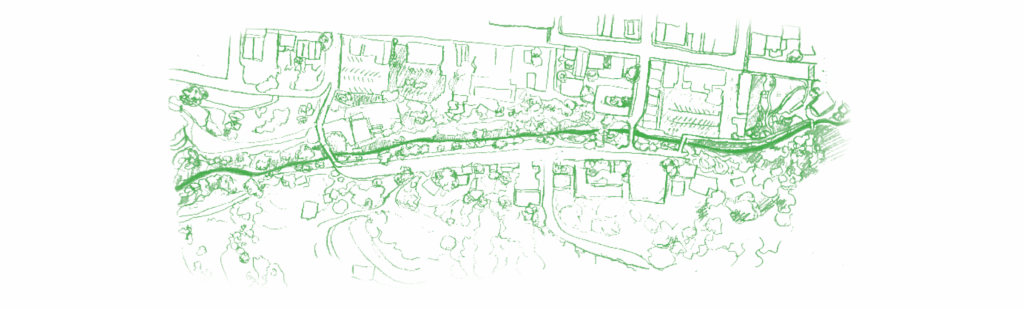
The Mariposa County Arts Council, in partnership with the Southern Sierra Miwuk Nation, Sierra Foothill Conservancy, Mariposa County Parks & Recreation and Planning Department, is excited to announce the launch of the Mariposa Creek Parkway Artist-in-Residency (AiR) Program. This groundbreaking pilot initiative invites artists to engage with the unique cultural, ecological, and wildfire resilience challenges of the Mariposa Creek Parkway, a vital community space along the western edge of Mariposa.
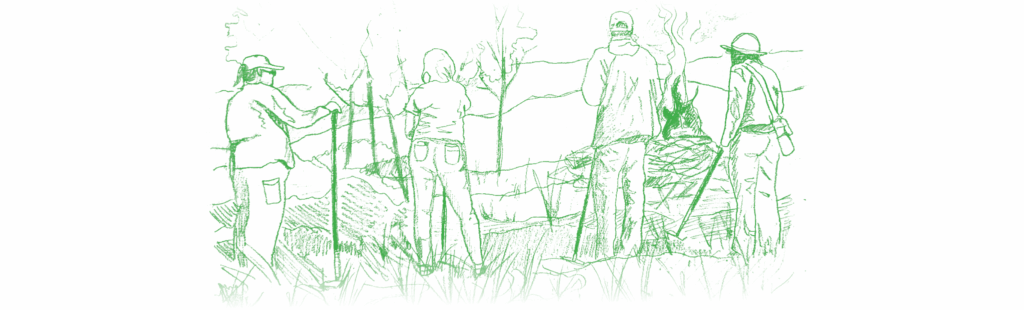
The residency program is designed to embed artists deeply within the landscape and local communities, offering three residency tracks: Visiting Artists from across California, Local Artists from Mariposa County, and a year-round Traditional Arts Residency led by the Southern Sierra Miwuk Nation. Selected artists will receive stipends, housing (for visiting artists), workspace, and access to local experts, while creating art that highlights the intertwined themes of Indigenous cultural heritage, ecological restoration, and climate resilience.
The residency will feature public engagement opportunities including exhibitions, workshops, artist talks, and performances. Artists will interpret and amplify stories of land stewardship, Indigenous knowledge, and climate adaptation, contributing to a vibrant cultural legacy along the Parkway.
Funders and Sponsors

Program Partner – Parks California
This program is made possible with funding from Parks California, who are on a mission to make our state parks and public lands welcoming, inclusive and climate-resilient spaces where all people throughout California truly feel at home.
Program Sponsor – Historic Tourist Homes
Historic Tourist Homes provide discounted accommodation for the Artist in Residence program. Tourist Homes is a charming boutique hotel nestled in the heart of downtown Mariposa, California. Offering the perfect retreat for your mountain getaway, our hotel blends modern comfort with vintage charm. Originally built in the 1930s, this historic gem has been lovingly restored to recapture its former glory while providing a cozy and stylish escape for today’s travelers.